SupplySide Global 2026: What’s Next in Flavor, Functionality & Wellness?

SupplySide Global brought the food, beverage, and supplement industries together in Las Vegas, offering a look at the ingredients, technologies, and consumer trends shaping product innovation. From sugar reduction and functional beverages to emerging opportunities in women’s health, several themes stood out throughout the show. One thing was particularly clear: consumers increasingly expect more from the products they consume, and brands are finding new ways to deliver.
Functionality Is Everywhere
Functionality was impossible to miss at SupplySide Global. Canned beverages, gel packets, beverage dispensing machines, espresso machines serving lattes, and even an espresso martini bar illustrated just how far functional ingredients have expanded into everyday consumption.
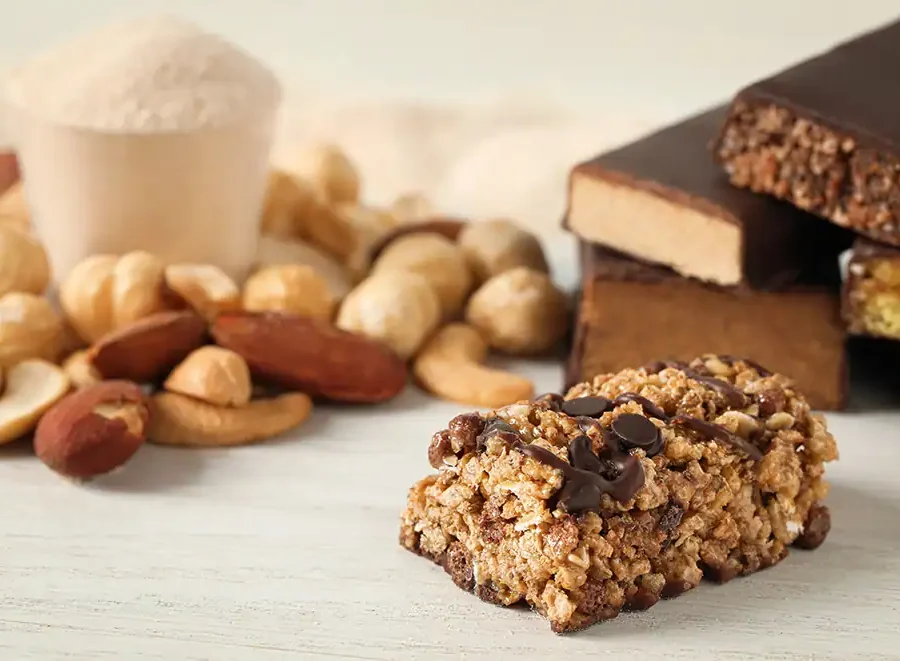
Creatine, fiber, protein, caffeine, and other functional ingredients were appearing in products across formats, moving beyond traditional supplements and into beverages and convenient everyday products. The question increasingly seems to be: Your product tastes good? So what? What can it do for me?
Data supports this shift. According to the SPINS State of Beverage Report 2026, 73% of consumers prioritize nutritional claims in functional beverages, while 71% look for products free from specific unwanted ingredients. Furthermore, 68% prioritize clean and natural ingredients, 66% look for product certifications, and 57% seek out active functional ingredients.
These priorities highlight an important opportunity for brands. Consumers aren’t simply looking for functionality; they want products that deliver meaningful benefits while aligning with their ingredient preferences and expectations.
Women’s Health: A Growing Opportunity
Women’s health was another standout topic, particularly the growing focus on perimenopause, menopause, and post-menopause. The discussion reflected a broader shift toward recognizing women’s unique wellness needs throughout midlife and developing more targeted, science-backed solutions.
Nutrition Business Journal estimated the menopause supplement market at approximately $819 million in 2026, with continued growth projected. Yet despite the expanding category, significant opportunities remain to better address the multiple symptoms women experience during this transition, including disrupted sleep, hot flashes, night sweats, mood changes, and anxiety.
What made the conversation particularly interesting was the movement toward more comprehensive solutions backed by clinical research, rather than simply offering another generalized wellness supplement. Botanical innovation, consumer education, and a deeper understanding of women’s health are helping shape a category with considerable room for growth.
Sugar Reduction: Recreating the Sweetness of Sucrose
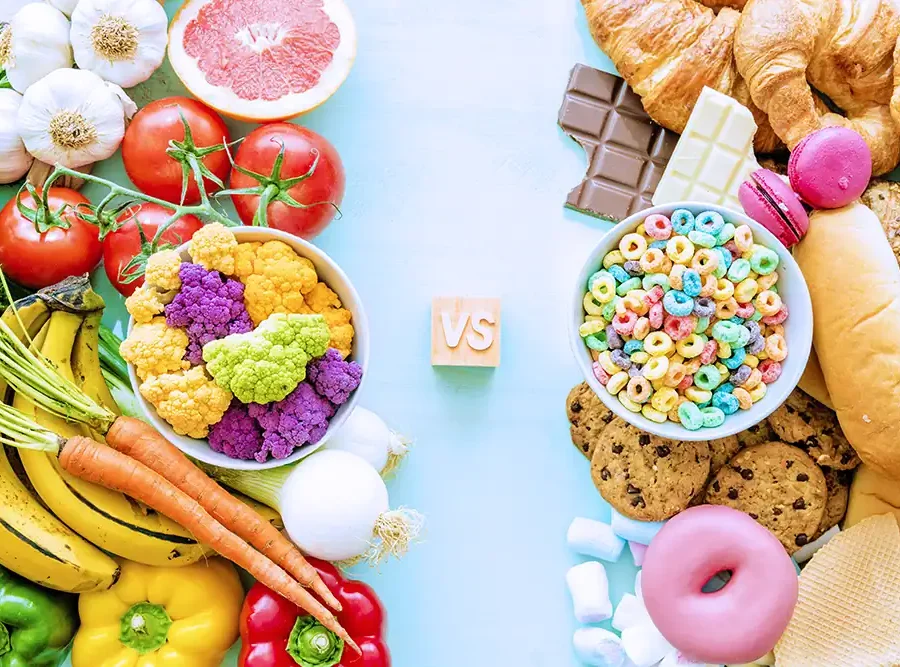
Reducing sugar remains one of the industry’s most persistent formulation challenges. Consumers want healthier products, but sweetness continues to play a central role in taste preferences. The opportunity isn’t simply removing sugar; it’s recreating the sensory experience that makes it so appealing.
Among consumer priorities, reducing sugar ranks second only to overall healthy eating. Research shared at SupplySide indicated that 75% of consumers believe they should reduce sugar in their diets. However, 58% rank sweetness as their favorite taste, while 49% consider a “no artificial sweeteners” claim important.
This creates a challenging balance for formulators: deliver less sugar, maintain sweetness, and meet clean-label expectations.
One interesting approach discussed at the show was combining monk fruit and stevia to more closely replicate the sweetness profile of sucrose. Monk fruit provides a quick sweetness onset but tends to fade more rapidly, while stevia has a delayed onset and a longer-lasting sweetness. When combined, the two create a sweetness curve that more closely resembles sucrose.
The takeaway is that successful sugar reduction increasingly depends on designing sweetener systems that work together. Rather than simply replacing sugar with a single ingredient, formulators can build more balanced sweetness profiles that preserve the experience consumers expect while supporting reduced-sugar and clean-label product development.
How Jogue Fits In
These trends reinforce the importance of flavor in product development. Whether reducing sugar, incorporating functional ingredients, or developing products for emerging wellness categories, taste remains essential to consumer acceptance.
At Jogue, we work alongside customers to develop flavor solutions that support their formulation goals and deliver the sensory experience consumers expect. From sweetness optimization and masking to flavor development across beverage, dairy, bakery, confectionery, and other applications, our team helps bridge the gap between product functionality and great taste.
As the industry continues to evolve, the opportunity is not simply to introduce something new, but to create products consumers want to come back to. That’s where flavor makes a difference.